Using Informational Keywords to Drive E-commerce Traffic
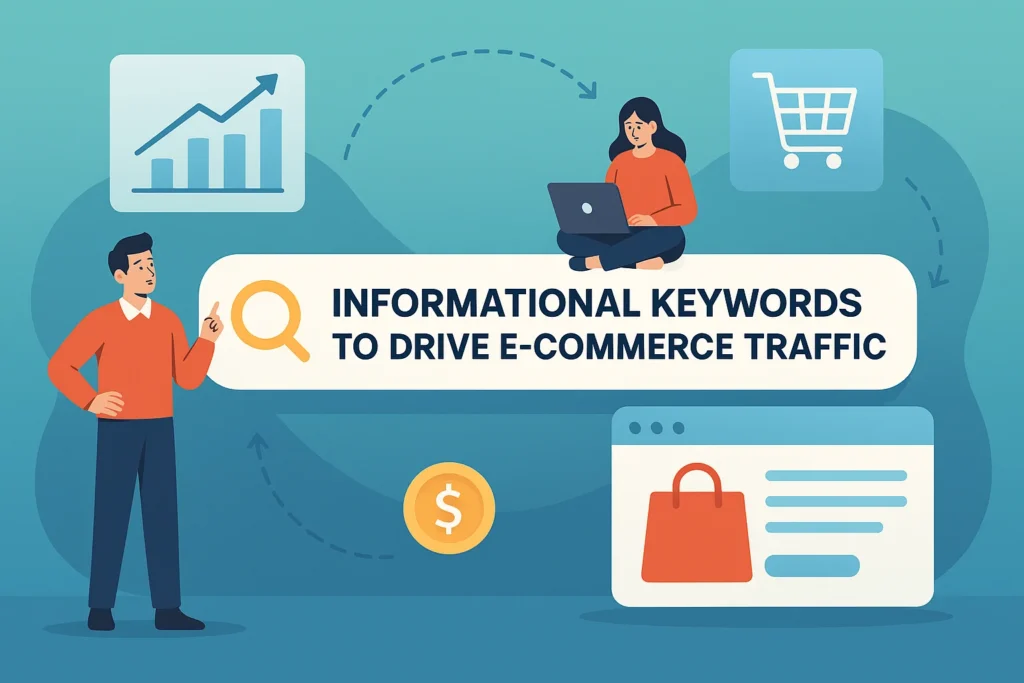
Most e-commerce owners get tunnel vision. They fixate on product keywords, transactional searches, and bottom-funnel content because it feels like the quickest route to sales. But here’s what I’ve noticed after years of watching online stores struggle – they’re missing out on a massive opportunity sitting right under their noses.
Informational keywords might not scream “buy now” but they’re absolute gold for building relationships with customers before they even know they need your products. Think of it as planting seeds rather than harvesting crops.
Why Information Seekers Matter More Than You Think
People don’t wake up one morning and immediately buy a £500 coffee machine. They start with questions. “How do I make better coffee at home?” or “What’s the difference between espresso and americano?” These informational searches happen weeks or months before any purchase decision.
Smart e-commerce sites capture these early-stage searchers through blog content that genuinely helps. When someone eventually needs to buy that coffee machine, guess which brand they remember? The one that taught them about coffee brewing techniques, not the one that just bombarded them with product specs.
I’ve seen this work brilliantly for a camping gear retailer who started writing about hiking techniques and campfire cooking. Their sales didn’t spike immediately, but six months later their organic traffic had tripled & their customer lifetime value increased by 40%.
The key insight? Information seekers become buyers, just not today.
Building Authority Before Selling Products
Authority isn’t built through product descriptions. It’s earned by consistently providing valuable information that solves real problems. When you target informational keywords, you’re essentially becoming a trusted resource in your niche.
Consider a skincare e-commerce site writing about “how to identify your skin type” or “common skincare mistakes to avoid.” They’re not directly selling products, but they’re positioning themselves as knowledgeable experts. When readers eventually need skincare products, they’ll trust recommendations from the brand that educated them.
This approach requires patience though. You won’t see immediate sales spikes from informational content. But the long-term benefits are substantial – higher brand recall, increased customer trust, and a reputation that extends beyond just being another online shop.
Authority also means other websites start linking to your content naturally. Nobody links to product pages unless they’re affiliates. But genuinely helpful informational content? That gets shared, referenced, and linked to organically.
The Link Magnet Effect of Helpful Content
Here’s where informational keywords become really powerful. Quality informational content attracts links like nothing else in e-commerce. When you write comprehensive guides, how-to articles, or industry insights, other websites reference your content.
I remember working with a pet supplies store that created an extensive guide about puppy training. That single piece of content earned over 200 backlinks from veterinary websites, pet forums, and dog training blogs. Those links boosted their entire site’s authority, helping all their product pages rank higher.
Contrast that with trying to earn links to product pages. It’s nearly impossible unless you’re paying for them or running some affiliate scheme.
The secret sauce is creating content that’s genuinely useful rather than thinly disguised sales pitches. Write for the searcher’s needs first, not your conversion goals. The links will follow naturally when your content deserves them.
Capturing Customers at Research Stage
Most purchasing journeys start with research. Someone might search for “benefits of organic cotton” months before buying organic clothing. If your sustainable fashion store has comprehensive content about organic cotton benefits, you’ve captured that potential customer early.
This early capture is INCREDIBLY valuable because you can nurture the relationship through email signups, social media follows, or simply brand recognition. When they’re ready to buy, you’re already top of mind.
The research stage is also when customers are most open to learning. They haven’t formed brand preferences yet. They’re actively seeking information & guidance. Position yourself as the helpful expert during this phase, and you’ll influence their eventual purchase decision.
Smart e-commerce sites create content hubs around their product categories. A furniture store might have sections about interior design tips, space planning guides, and furniture care instructions. Each piece attracts researchers who might become customers later.
Don’t underestimate the cumulative effect either. Someone might read five different articles on your site over several months before making their first purchase.
Content That Connects Products to Problems
The best informational content doesn’t just educate – it connects problems to solutions. But here’s the crucial part – you do this subtly, not with heavy-handed sales pitches.
A kitchen equipment store writing about “common baking mistakes” can naturally mention how proper measuring tools prevent ingredient errors. They’re not pushing products aggressively, but they’re making the connection between problems and solutions clear.
This approach works because it mirrors how people naturally think. They identify problems first, then seek solutions. Your informational content helps them understand their problems better while gently introducing your products as potential solutions.
I think the most effective pieces address specific pain points your target customers face. Don’t write generic industry overviews. Write about the frustrating, specific problems your products actually solve.
Long Term SEO Benefits You Can’t Ignore
Informational keywords often have less competition than commercial terms. “Best running shoes” is brutally competitive, but “how to prevent running injuries” might be much easier to rank for. Yet both target the same potential customers.
These informational pages also tend to perform well long-term. While product pages might need constant updates due to stock changes and price fluctuations, evergreen informational content can drive traffic for years with minimal maintenance.
Search engines love comprehensive informational content too. Google wants to provide useful answers to searchers’ questions. Well-researched, helpful articles often earn featured snippets and other prominent search features that product pages rarely achieve.
The compound effect is remarkable. Each informational article you publish expands your keyword footprint. Over time, you’ll rank for hundreds of related terms you never directly targeted.
Perhaps most importantly, informational content helps establish topical authority across your entire site. When Google sees you consistently publishing quality content about your industry, it boosts trust in all your pages, including product listings.
Making Information Work for Sales
Of course, informational content needs to eventually connect to your business goals. The trick is doing this naturally rather than forcing awkward product placements into educational articles.
Internal linking is your best friend here. That article about “choosing the right camping tent” can naturally link to your tent category page or specific tent reviews. You’re providing additional value while guiding interested readers toward potential purchases.
Content upgrades work brilliantly too. Offer downloadable guides, checklists, or templates in exchange for email addresses. Someone reading about “photography basics” might download your “camera settings cheat sheet” – now you can nurture them through email marketing.
Don’t forget about retargeting either. Visitors who read your informational content have shown interest in your niche. You can remarket to them with product-focused ads when they’re ready to buy.
The key is patience and subtlety. Heavy-handed sales approaches will backfire with information seekers. They came for help, not sales pitches.
Measuring Success Beyond Immediate Sales
Here’s where many e-commerce owners get frustrated with informational content – it’s harder to measure immediate ROI. Someone might read your article today but not purchase for months. Traditional attribution models miss these connections entirely.
Look at broader metrics instead. Brand search increases, email subscriber growth, social media engagement, and overall site authority improvements. These indicators show your informational strategy is working even before sales spike.
Customer surveys can reveal the impact too. Ask new customers how they discovered your brand or what influenced their purchase decision. You might be surprised how many mention your helpful blog content as a factor.
I’ve found that informational content tends to attract higher-quality traffic as well. Visitors spend more time on site, view more pages, and have lower bounce rates. These engagement signals benefit your entire site’s search performance.
Track long-term customer value rather than just initial conversions. Customers acquired through informational content often become more loyal because they’ve experienced your expertise firsthand.
Final Thoughts
Informational keywords won’t transform your e-commerce traffic overnight. This strategy requires commitment, consistency & patience. But the payoff is substantial – increased brand awareness, natural link acquisition, early customer relationships, and sustainable organic growth.
I’ve watched too many online stores chase quick wins with aggressive product keyword targeting while completely ignoring the vast opportunities in informational search. They’re missing out on building genuine relationships with potential customers who aren’t ready to buy yet but will be eventually.
The businesses that thrive long-term are those that provide value before asking for sales. Informational content is your opportunity to be genuinely helpful, build authority, and earn customer trust in a way that product pages simply cannot match.
Start small if you must, but start. Pick one informational keyword related to your products and create something genuinely useful around it. Watch how it performs, learn from the process, then expand from there.